
Why Spain, why Catalonia?

Catalonia, Costa Brava and Barcelona – A must to visit on your travel bucket list!

Why Spain, why Catalonia?  It’s hard not to think of Spain without thinking about wine,  world-class cuisine, tapas, Unesco world heritage sites and some of the most incredible architecture ever designed.

One of the questions that I am often asked is why I chose Spain and why Catalonia for one of my 2021 food tours?

Well if you love Spanish wine,  are a discerning diner who values first-class gastronomy, luxury accommodations and architecture. And you relish in discovering the rich history of food, culture, and art of this region that rubs shoulders with the borders of France. Why wouldn’t you want to travel to Spain…

Nominated as the BEST country to visit in the world for the third year in the  2019 Travel and Tourism Competitive Report by the World Economic Forum. With more than 3,000 miles of coastline, and no fewer than 48 UNESCO World Heritage sites, the most Michelin star restaurants,  and some of the world’s best chefs, renowned artists, and acclaimed architects. Spain and the Catalonia region has to be a must on any avid travellers bucket list.

The capital and largest city is Barcelona. It is the second-most populated municipality in Spain. Tourists flock Barcelona year-round for the “buzz of Barcelona”, one of Spain’s most visited destinations. Barcelona has more than 70 top-notch museums and 24 Michelin-starred restaurants. Its medieval quarter boasts surprising modernist architecture and a vibrant urban culture. Not to mention perhaps one of the most famous ongoing constructions, the Sagrada Famiglia, and the must-see Boqueria Markets.
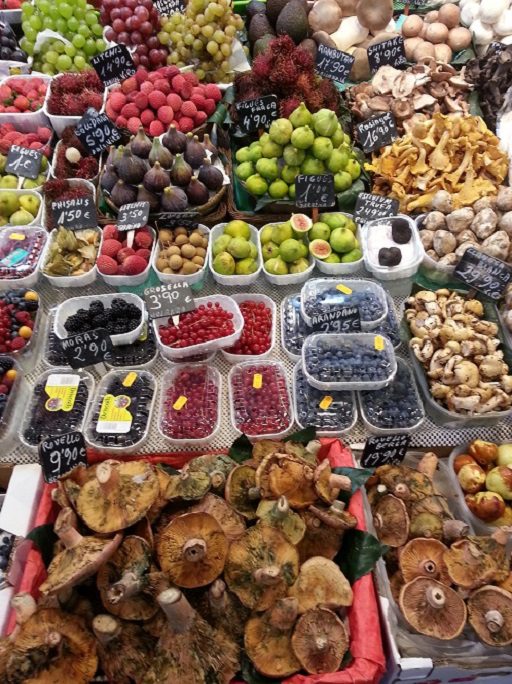
 

Boqueria Markets

Getting out of your hotel and heading out on foot is one of the best ways to explore Barcelona. Passeig de Gràcia,  Casa Batlló and  Casa Mila designed by Gaudi are within minutes of each other.  This colorful seaside city is full of attractions and things to do. Rivaling Barcelona in historic importance and one of the tour highlights is the medieval town of Girona.

Farther afield, in the idyllic countryside of verdant valleys and gently rolling hills, we discover quaint medieval towns, picturesque seaports, and quiet country villages where chirping birds and church bells are the loudest noises. Here you can visit the coves of Cadaqués on the Costa Brava and every stop along the way, the local gastronomy will tempt you.   Stretching Northeast from the coves and beaches of Blanes to Catalonia’s border with France, the Costa Brava is Spain’s most beautiful coastline. This 1,240-mile coast of rugged cliffs and idyllic beaches is one of Europe’s favorite seaside playgrounds, and its pretty little whitewashed towns have lured artists that include Dali, Picasso, and Marc Chagall.  The House of Dali, and the Museum which many people say is “the must-see” of a lifetime.

Art galleries and boutique shops line the cobbled streets of Cadaques


Bordered by the mountains and the Mediterranean Sea, Catalonia is the traditional region of Spain that is fiercely proud of its unique culture. The 4 most important regions of Catalonia are Barcelona, Girona, Lleida, and Tarragona. Catalonia has beautiful sandy beaches like Costa Maresme, reaching into the Mediterranean Sea, unlike those other feet-breaking pebble beaches, that were until more recently were unknown to tourists who happily headed south of Barcelona to Sitges (although Sitges is still a favourite). Many locals of Barcelona preferred to head north towards The Costa Brava where many owned their weekender beach apartment – white tiles throughout, clean and cool in the summer months.

Costa Brava

What do you do after a day swimming at the beach but eat fresh seafood and this is where the famous fish markets at Arenys de Mar comes in to play. They say it is something else to watch the fishing boats come into port in the late afternoon, followed by flocks of seagulls hoping to feed on some fish. There is a fish auction at the port at night – perfect to take home the freshest of fish to cook for dinner.

The history of food in this area is what really is fascinating – from sauces introduced by the Phoenicians, olive oil brought in by the Greeks, and then the influence of the Romans, Carthaginians, and Jews bringing with them their own exotic flavours and spices.
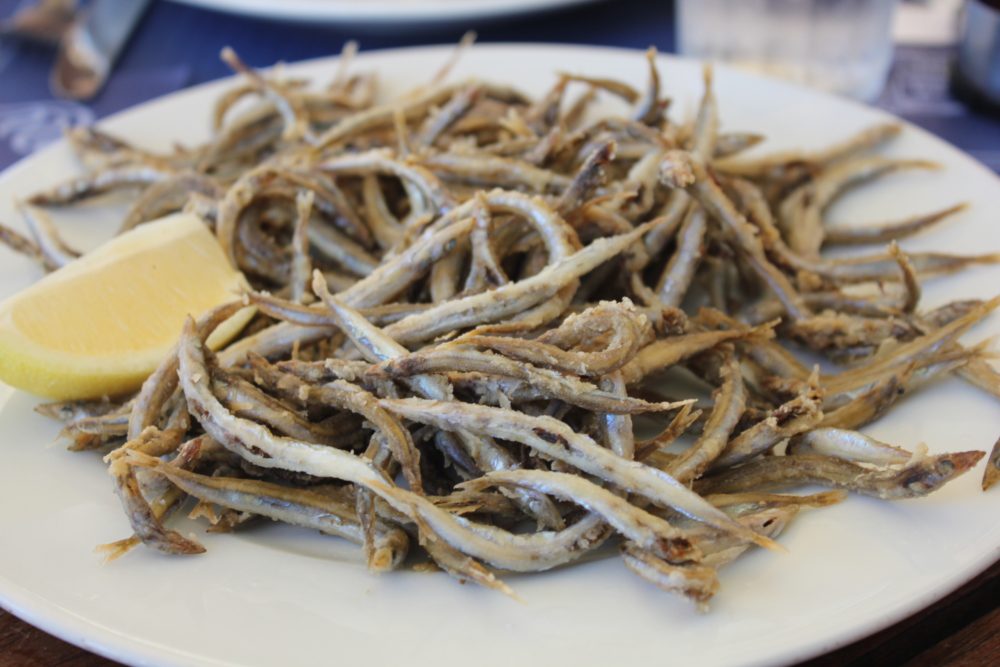
Pescaíto frito – Fried fish

While paella is the traditional food of Spain, the Arabs instilled the love of almonds and gazpacho, while the Christians introduced Spanish Jamon (ham) previously banned by the Jews and Arabs alike. Garlic, garlic, garlic – it’s gastronomical flavor making even garlic soup a must-do.

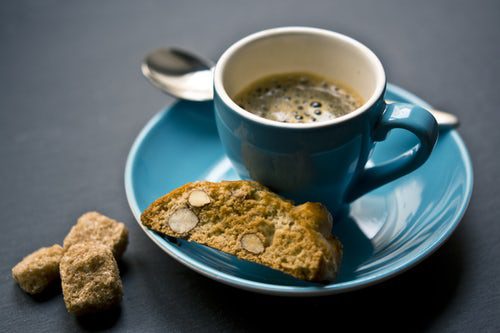
When not at the beach or eating bocadilos – the amazing baguette with Spanish ham or drinking cava the champagne of the area or rich coffee, you can dine in some of Spain’s finest Michelin star restaurants taking your dining experiences to the next level.
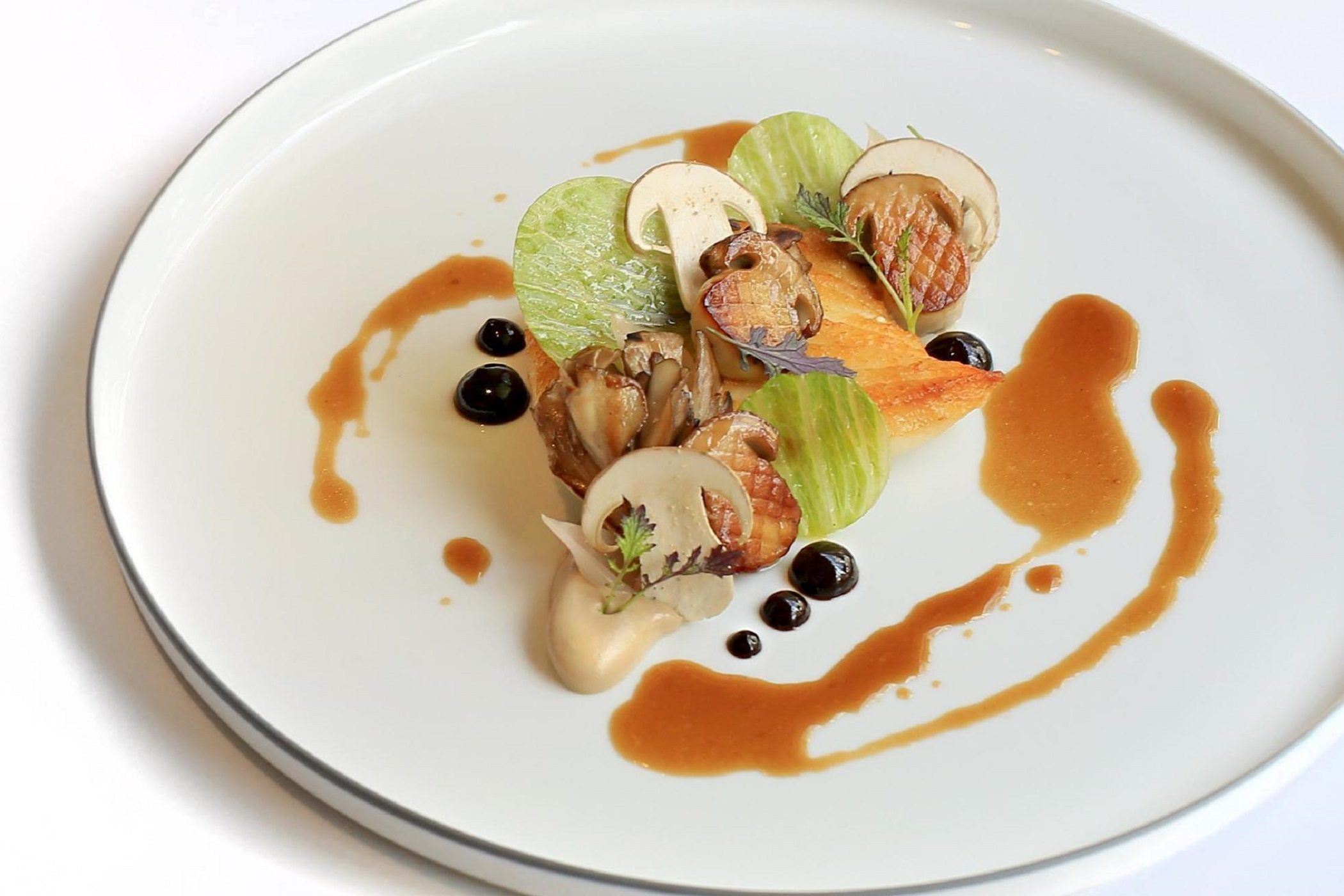
Michelin dining in Spain


Sometimes the reasons why I chose Catalonia are endless.

Dominique’s Spanish tours for 2021 include a focused tour to Barcelona, Catalonia and Costa Bravaand likewise, the same gastronomic and luxury tour is now available to Rioja and Basque Country including the South of France. Claimed as one of the best-kept secrets of Spain and celebrated as one of the best regions for the excellence of food and wine.  These tours have been personally designed by Dominique to give you the best of the best and are limited to a maximum of 19 travellers only.
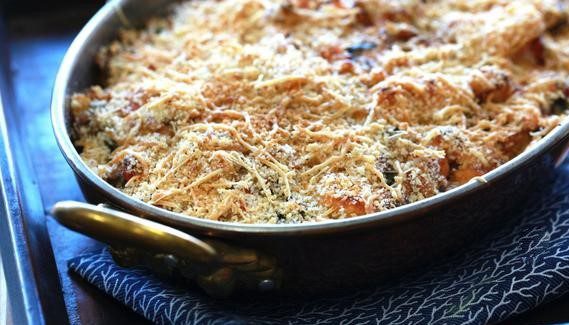
 

The beauty of bakes – 7 reasons why they are so great

Pasta, rice or vegetable bakes are something that we all grew up on and the best thing about having them for dinner is that they taste even better the next day. The beauty of Bakes and 7 reasons why they are so great are:

  1. They are a fantastic way of throwing a pile of wonderful tasty ingredients together in the one pot.
  2. They makes an easy meal for anyone to put together a Bake.
  3. Also they don’t have to be heavy and full of fat.
  4. You can combine wonderful ingredients that are healthy and still full of flavour making them ideal for everyone.
  5. Bakes are perfect for school or work lunches, when they cool they are very easy to cut and place into takeaway containers.
  6. Use the combinations and suggestions given under the salad heading for grains and vegetables to make your bakes something a little special.
  7. Grains such as rice, pasta, quinoa, cous cous, barley are all perfect and when teamed with all sorts of vegetables including spinach, sweet potato, pumpkin, corn, tomatoes, zucchini, herbs, spices, cheese and eggs.

Well the list is endless and the possibilities are many. So get your bake on with this super tasty recipe:

Rice and Tuna bake
Serves 4
Prep time 15 minutes
Cooking time 25 minutes
3 cups of cooked basmati rice
425g tin of tuna in brine, drained
zest and juice of 1 lemon
4 green shallots, sliced
1 zucchini, trimmed, grated and squeezed of all its liquid
½ cup chopped parsley
3 fresh tomatoes, seeded and diced
160g ricotta cheese
2 eggs
1 egg white
20g parmesan cheese
Salt and pepper
Preheat the oven to 200c

  • Spray a ceramic dish or individual muffin trays with oil. Combine the tuna, lemon rind, juice, chopped shallots, grated zucchini, diced tomatoes and the parsley in a large bowl. Whisk together the eggs, ricotta and parmesan and season well with salt and pepper.
  • Pour the egg mix into the rice and mix well, spread this into the greased baking dish and bake for 20 – 25 minutes until golden.
  • Substitute the tuna for salmon, cooked fresh fish, cooked mince seasoned with Mexican spices and a tin of diced tomatoes or diced cooked chicken. If you are looking for dairy free alternative you can use soft tofu in this dish and dairy free
    parmesan cheese.

Enjoy!

Coffee and spice with all things nice

Cooking with coffee, entertaining with coffee, studying with coffee – it works every way. 

Australian coffee drinkers are full of beans, keeping up with their American cousins, as coffee consumption shows no sign of slowing down (under). According to the NCA, a whopping 59% of coffee consumed daily is classified as “gourmet”, and it is the younger population that are driving this trend. There is a raft of healthy recipes emerging, from coconut cappuccinos to golden lattes, and one thing is for sure – coffee is on a health kick. For 2017 it was all about looks, as we stared lovingly at rainbow lattes and licked our lips while we guzzled down the glitter. The crazier they looked, the better; but what will 2018 have in store? There is a buzz around nitro, cold-drip and siphon, but will roasting coffee take on a whole new meaning when we make the switch from drinking to cooking.
What does coffee bring to the table?
Coffee complements a host of everyday ingredients as the roasted bean can unleash a surprising diversity of flavour. It contains an impressive 800 aroma compounds, making it the ideal ingredient to balance and enhance dishes. Depending on how long a bean is roasted for, and thus how intense the flavour is, it can be matched with anything from a sweet dessert to a rich beef dish.
Cooking with Coffee
Cooking with coffee Dominique Rizzo - Photo be Athena Lamb
You can enhance the flavour of stocks, stews and soups by adding in some leftover brewed coffee – its rich, deep taste will perfectly compliment any winter warmer. Instead of throwing away any unused coffee, try pouring it into an ice-cube tray and freeze for future use.
When it comes to preparing coffee, nowadays, there are various high-tech coffee makers that can prepare your favorite brew in just seconds. With that said, if you have a bit more time to spend experimenting in the kitchen, and really want to impress your friends, then an infused coffee recipe may be just what you are looking for. Heat coffee beans slowly in your preferred medium e.g. vegetable oil, butter, milk, chicken stock. Once the flavour has infused, you can use this base to make subtle but delicious recipes, such as coffee ice-cream, coffee mayonnaise or coffee butter cream.
Furthermore, coffee adds a unique depth and bitterness to meat, particularly sweeter varieties, such as  wild duck and venison, and only a small quantity is needed to make a big impact. It also makes a great marinade for meats such as grilled chicken and duck, adding an extra depth of colour and flavour.
Roasted, blitzed, infused, marinated, however you like your beans, it’s likely you will see them springing up on the menu throughout 2018, and with Australian coffee being touted as the best in the world, you will sure be in for a tasty sensation.
Written by Lucy Stevens.

Get more from your salads – Tips to take your salad bowl to the next level

You can get more from your salads as they are a perfect lunch or dinner option and another excellent portable food that can be deliciously healthy and really quite filling. Salads are perfect as you can include many grains, legumes and some great tasty proteins teamed with fresh seasonal leafy greens and vegetables. And as I have said before the most important aspect to a good salad is the dressing. Here are some helpful tips to take your salad bowl to the next level:


Include grains in your salad

Grains or ingredients you can include in your salads are cous cous, burghal – (Cracked Wheat used to make tabouleh), barley, buckwheat, quinoa, millet, brown rice, cooked basmati rice, noodles such as buckwheat, rice, bean thread, you can also make your own croutons out of spraying a slice of bread with olive oil and chopping it into squares and baking it in a 180c oven for 10 – 15 minutes until golden. You can use this same method for tortillas, pita breads and lavosh, for crackers and pita chips to have with dips.

Aim for ½ a cup of grain in your salad per person if using only grains
Aim for ¼ a cup of grain in your salad per person if using grains and legumes

Legume salads

Legumes you can use in your salads can include cooked chick peas, lentils, cannellini beans, barlotti beans, three bean mix, check for the ingredients and buy the tinned ones without any added or extra salt or sugar. If you are cooking your own it is best to soak these over night first, discarding the soaking water and covering them with fresh water before simmering. It is not necessary to salt beans and they will take different cooking times so taste them after 20 minutes, you should be able to squash them in between your fingers> Drain and cool before storing in the fridge. You will need to eat these within the week although you can freeze them.

Aim for 1 cup of legumes per person in a salad if using only legumes
Aim for ½ a cup of legumes in your salad per person if using legumes and grains

Vegetable fillers for salads

Just about anything goes for a salad when adding in fresh vegetables. The important factor here is to use fresh not tinned, tinned vegetables serve another purpose. You can roast, barbecue, grill, steam or sauté most vegetables and use them for a salad. These vegetables could include, capsicum, eggplant, onion, Asian greens, corn, pumpkin, sweet potato, carrot, parsnips, green beans, broccoli and so on. Any vegetable that you eat for dinner you can include in a salad, top up your favourite combinations with some fresh vegetables like baby spinach, mixed lettuce leaves, sliced tomatoes or cherry tomatoes, diced cucumber, sprouts and you can also include a sprinkling of nuts and seeds. These could include sesame seeds, sunflower, pumpkin, almonds, roasted peanuts, walnuts, macadamia nuts.

Don’t forget about fruits, sliced or shredded apple, pear, orange, mandarin and grapefruit segments, pomegranates, fresh dates, diced melons, mangoes, peaches are all fantastic in certain salads and give a little sweetness and wonderful flavour combinations.

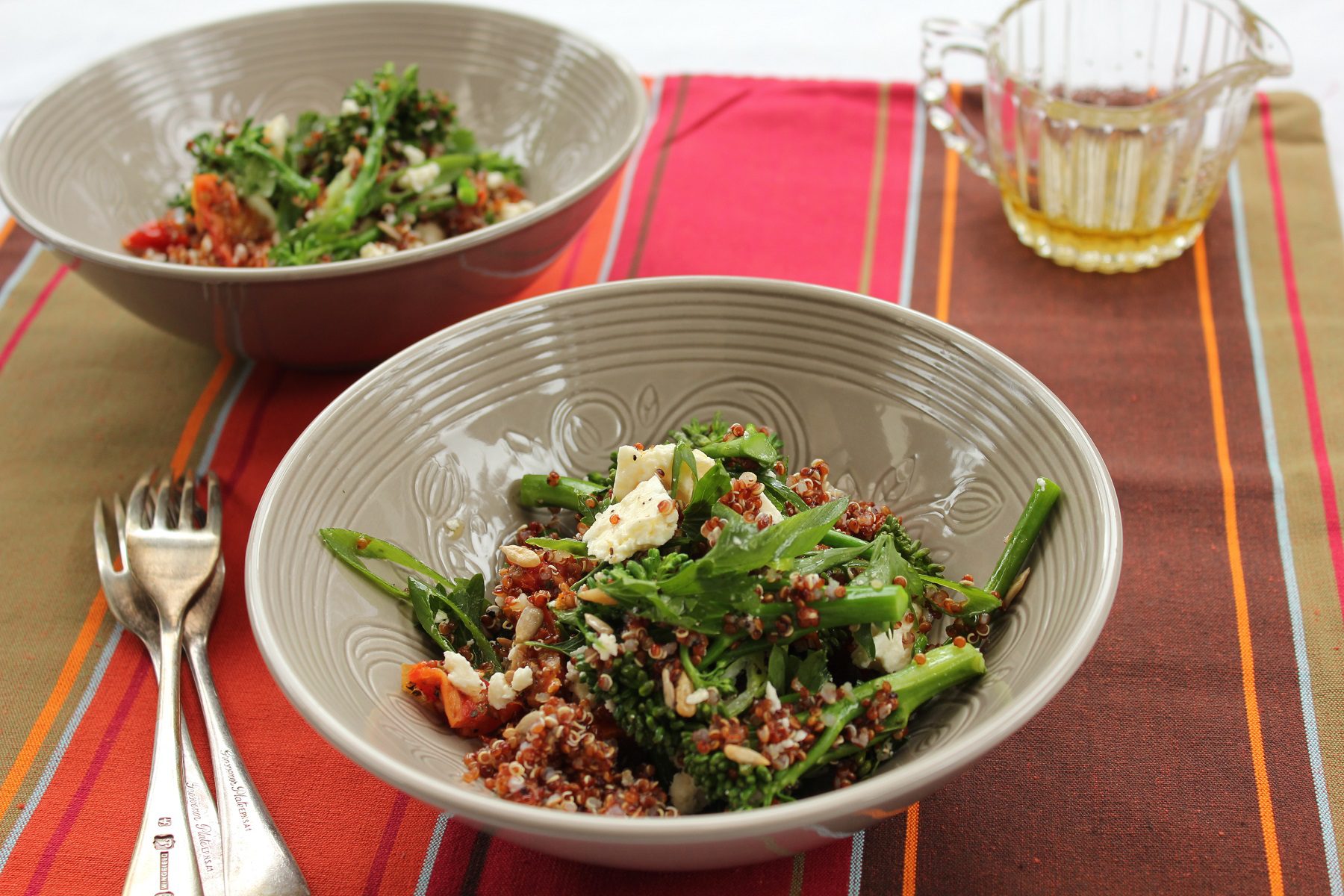
Try this tasty Quinoa salad with broccoli and feta


I know I said that the most important aspect to a salad is the dressing ! Keep an eye out for my next post that will give you four salad dressing recipes help take your salad bowl to the next level.


A Spanish Chefs Pick of Bars & Restaurants To Try in Barcelona

After a day of art, culture, and history,  do as the locals do and head to one of the many fantastic bars in Barcelona.

Here is the low down on bars in Barcelona as a starting point.

Can Cisa Bar Brutal – Natural wine bar and Wine Shop.
This has one of the best Natural Wine selections in Barcelona you can buy everything at takeaway prices.

L’Anima del Vi – is so Spanish, great food, great local vibe.
Lots of bottles on the walls but as always, ask for anything you are chasing. They have an extensive off list cellar and back vintages of great things!

Vila VIniteca – A great wine shop with big vibes, near the marina.

Boadas – Pretty cool spot for a cocktail. Has been open since the ‘30s and is one of the oldest art deco buildings in the city.


www.cool-cities.com

La Cova Fumada – This is a classic tapas basement restaurant with heaps of attitude and charcoal-grilled vegetables and smoked meats.

Bar del Pla – another classic tapa place, good natural wine too. This is a good lunch spot.

Bar Mut – Super old school place. Ask to eat in the bar upstairs that always has live music and gets rowdy. Great cocktails and old school wine list.

ABaC Restaurant – Michelin star – definitely worth considering.


ABaC Restaurant

Quimet y Quimet – some of the best smoked, canned, and dried, pickled seafood and meats in the city. Canned Quail is the hot tip here.

Tickets – Adrias bros tapas – it is really good but you will want to book or line up early.

Bodega 1900 – Adria’s Vermut Bar. Its actually opposite Tickets. Must book for dinner.

Cal Pep – an absolute institution, sit at the bar, drink heaps of beer and eat heaps of seafood from the Plancha.


http://www.telegraph.co.uk/

El Tres Porquets – the three pigs, pork, pork, and more pork. Fantastic flavours and dishes.


www.restaurants.com

With thanks to a Chef friend in Barcelona for sharing.

Would you like to experience the Art, History, Wine, and Gastronomy of Spain? Click here for our selection of tours travelling to Spain

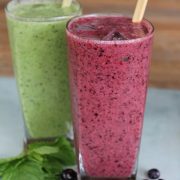
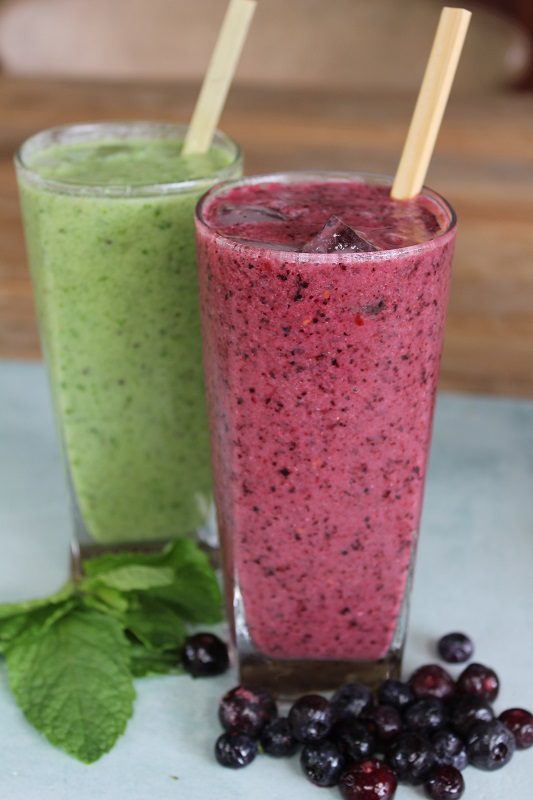
Healthy Smoothies – Chef Dominique Rizzo’s Recipe Tips to get it right

Healthy Smoothies are a perfect quick breakfast for anyone on the go, there are two different types of smoothies, a high protein smoothie and a fruit and or blended fruit and vegetable smoothie. Smoothies are extremely popular as they are an easy way too start the day when you system is still detoxing from the night before.

Your combinations are endless, here are some Recipe Tips to get it right:

  • It is recommended that you have about 2-3 servings of fruit a day and 5 servings of vegetables a day.
  • Fruits are high in sugar so stick to the 2-3 servings a day.
  • Like with vegetables, choosing different coloured fruits increases the variety of nutrients, which can enhance your health.
  • Eat a selection of apples and pears, citrus fruit such as oranges, mandarins and grapefruit
  • lemon squeezed in warm water first thing in the morning is a must for a healthy liver and digestion.
  • When in season choose stone fruits such as apricots, cherries, peaches, nectarines and plums and tropical fruits such as bananas, paw paw, mangoes, pineapple and melons
  • Berries, grapes and passionfruit are ideal for snacks and adding into fruit salads or on desserts.

Go Dairy Free

For healthy smoothies you don’t always have to go dairy, you can also use almond milk, coconut, rice, soy, oat milk, water or coconut water. Be sure to read the labels and get unsweetened versions to avoid added sugars.

Up the Protein of your healthy smoothies

Protein powders come in many different varieties, look for an all-natural protein powder from a reputable health shop with little or no sugar and no flavourings, you can add your own vanilla or
chocolate as these are unnecessary sugars and colourings that you don’t want. Base your serving of protein powder on 30g grams for women and about 56 grams for men.

Fruit and Fiber Options

Frozen berries, bananas and chopped fruits are the best for healthy smoothies and can be easily prepared and wrapped in plastic or stored in containers in your freezer making ti easier to throw together any flavour. Most frozen fruit you can now buy in packets so there is no excuse. It is especially good to buy fruit in bulk when it is cheap and chop it up to freeze it that way you have tropical fruits all year round.

“Superfoods”

All the rage now are many “superfoods” that you can add to your smoothie for extra nutritional value. Here are a few that you may or may not have heard of, these are all available in your health
food shop and some can also be found in your local supermarket.

Acai powder – The small, dark purple Amazonian berry provides exceptional amounts of antioxidants, omega fats, protein and fibre, plus it’s an immunity and energy booster.
Omega 3 fish oil –Disappears into your smoothie and you’ll never know it’s there
Raw cacao powder – A top source of antioxidants, magnesium, iron along with antioxidants, vitamins and minerals. Chocolate that is good for you! This is particularly good with strawberries and coconut. You can also just use cocoa or dutch cocoa for a richer flavour .
Chia seeds or powder – Chia is a great source of healthy omega fats, protein, antioxidants and dietary fibre. It has a neutral flavour and because it absorbs water, it thickens liquids and keeps you feeling fuller for longer.
Maca powder – Great for energy and balance, this ancient Peruvian superfood was highly prized by Incan warriors to increase stamina and combat fatigue.
Spirulina Powder – Spirulina is 100% natural and a highly nutritious micro salt water plant. Spirulina contains rich vegetable protein, multi Vitamins and a wide range of minerals and can be
added to water, or smoothies, it is not recommended for people with serious seaweed or seafood allergies.

Try this Healthy Smoothie Recipe

Tea and fruit smoothie
Serves 2 Pre time 5 minutes
3 cups frozen white grapes
2 packed cups baby spinach
1 1/2 cups strong brewed green tea, cooled
1 medium ripe avocado
2 teaspoons honey serves 3
1 cup fresh pineapple, chopped
1/4 cup coconut milk
¼ cup natural or coconut yogurt

Place in a blender and blend until smooth and enjoy!

Want more recipes for Healthy Smoothies?

Try this Cucumber Cooler Smoothie Recipe

or this

Berry Coconut Smoothie Recipe

5 Simple Tips for Back to School Dinners

Yes, we are here, the first week of preparing back to school dinners! Do you feel like you are already running out of healthy meal ideas to get your kids (and the big kids) back to the table for week two? This follow up post from last week’s, 3 Simple Tips for Back to School Breakfasts & 4 Simple Tips for Back to School Snacks will hopefully give you some new ideas on how to put together some healthy dinners and wholesome lunches the whole family can get involved in!

If you can teach kids at a young age about healthy food choices and the fun to be had shopping, preparing and cooking food, they are more likely to grow up with a healthy attitude towards making balanced food choices and enjoying wholefoods and homemade meals rather than store bought processed meals.

Here are some Simple Tips for Back to school Dinners:

When I have conducted cooking classes for students of all ages I notice that kids love to make up their own salads. So, for great back to school dinners and lunches have a selection of healthy ingredients out on the table such as shredded chicken, chopped ham or left over shredded roast meats, maybe a selection of grains like rice noodles, brown rice and/or lentils and chickpeas and then a range of vegetables, salads items, corn kernels, cherry tomatoes, baby corn or carrots, sprouts and get the kids to make up their own salad combinations, create little food stations at home.

Healthy pizzas and burgers are a fantastic way of getting the kids into the kitchen to help and if they are helping in the preparation you are more likely going to get them to eat the food that they have proudly prepared.

Keep the sweet sauces, dressings to a minimal and perhaps make your own tomato sauce and fruit toppings using fresh fruits to pour over ice creams.

Using skewers, sticks, noodle boxes, chop sticks, straws and fresh fruit ice blocks can make food playful and fun for kids to put food together and take to school to enjoy.

Get the kids involved in the shopping taking them to food markets, local farms where they can pick their own produce or collect eggs and teach them about where food comes from, involving them in menu planning and choosing recipes from cook books and magazines that they like gives them a sense of ownership.

For more helpful ideas for back to school meals check out my 3 Simple Tips for Back to School Breakfasts and 4 Simple Tips for Back to School Snacks!

4 Simple Tips for Back to School Snacks

Back to school snacks can be a minefield for so many of our children having intolerances to wheat, gluten, nuts, dairy, preservatives and additives, so a fail proof way to keep them safe and healthy is to make all your snacks, treats and meals from scratch. By making everything from scratch you are guaranteed that you will know exactly everything that is in all of your meals depending on what your children can and cannot eat.

Here are 4 Simple Tips for back to school snacks:

  1. Kids love things that they can grab and go so prepare fruit and vegetable sticks with healthy dips, make your own chips by brushing pita or mountain bread with a little oil and a few salt flakes and pop them into a packet, try slicing potatoes very thinly and spraying with olive oil then drying them out on a baking try lines with baking paper and in a moderate oven until roasted and crispy.
  2. Sweet muffins are great but substitute the sugar for stewed fresh fruit and a small amount of honey for sweetness using coconut juice or milk alternatives for dairy intolerances.
  3. Home-made muesli bars and grain slices are great packed with seeds and fruits and can keep fresh for weeks in airtight containers in the fridge.
  4. For hot days freeze yoghurt so that it will keep for longer or enjoyed as a frozen treat!

Click here for my delicious healthy Spelt and Coconut Slice

If you would like some top tips for Back to School Breakfasts click here

3 Simple Tips for back to School Breakfasts

Cooking and creating back to school breakfasts, healthy meals to keep the kids interested can sometimes be daunting, so I have come up with some tips to help keep you sane in the kitchen and keeping your kids happy healthy at school and sitting at the dinner table.

A great way to make a healthy change is to see what kids love to eat and then adapt these store bought, highly processed foods into healthy home baked goods.

  1. Kids usually love the sugary breakfast cereals and a sweet start to the day, so to make your own fabulous cereal start by buying whole grains like oats, rice puffs and unsweetened flakes and combine them with a little honey and pure apple juice tossing them until covered and then baking them in a moderate oven until toasted and golden, you can then add your kids favorite dried fruits, nuts and even put a special toy hidden in the bottom of the container.
  2. Try eggs baked in a muffin tin with grain bread as a base and filled with spinach, tomato and cheese, or use soft whole grain flat bread or mountain bread to make a breakfast burrito using lean ham, a little cheese, tomato, spinach and some scrambled eggs, toast this my placing the burrito in between two fry pans over moderate heat on the stove until toasted if you don’t have a toasty machine.
  3. Frittatas, omelets and egg muffins are a great start and can include all sorts of vegetables and even leftovers.

Here is a great little back to school breakfast fritatta recipe to get you started!

Bacon, asparagus and parmesan frittata
Serves 2
Prep time 15 minutes
Cooking time 15 minutes
Olive oil Cooking spray
1 bunch of asparagus, trimmed and cut into 3 cm lengths
1 small red onion, thinly sliced
150g button mushrooms, thinly sliced
100g trimmed bacon, diced
100g grated parmesan cheese
2 eggs
2 egg whites
¼ cup milk or water

optional
2 tablespoons fresh chives or parsley, chopped
Salt and pepper

Heat a large 27cm non stick frypan over a moderate to low temperature, Spay in some of the olive oil and add in the asparagus, red onion, mushrooms and bacon. Fry for 3 minutes until the
mushrooms start to soften. Whisk the eggs with the milk, herbs and season with salt and pepper. Pour this over the vegetables and cover with a lid. Cook for 10 minutes until the eggs are slightly
firm to touch.
Serve with 1 piece of wholemeal toast / ½ toasted bagel / ½ toasted muffin or 1 flat bread.
Accompany half the frittata with wilted spinach and sliced fresh tomato.

For healthy back to school snack tips click here

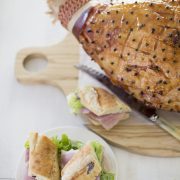
5 Top Tips to get the most from your ham

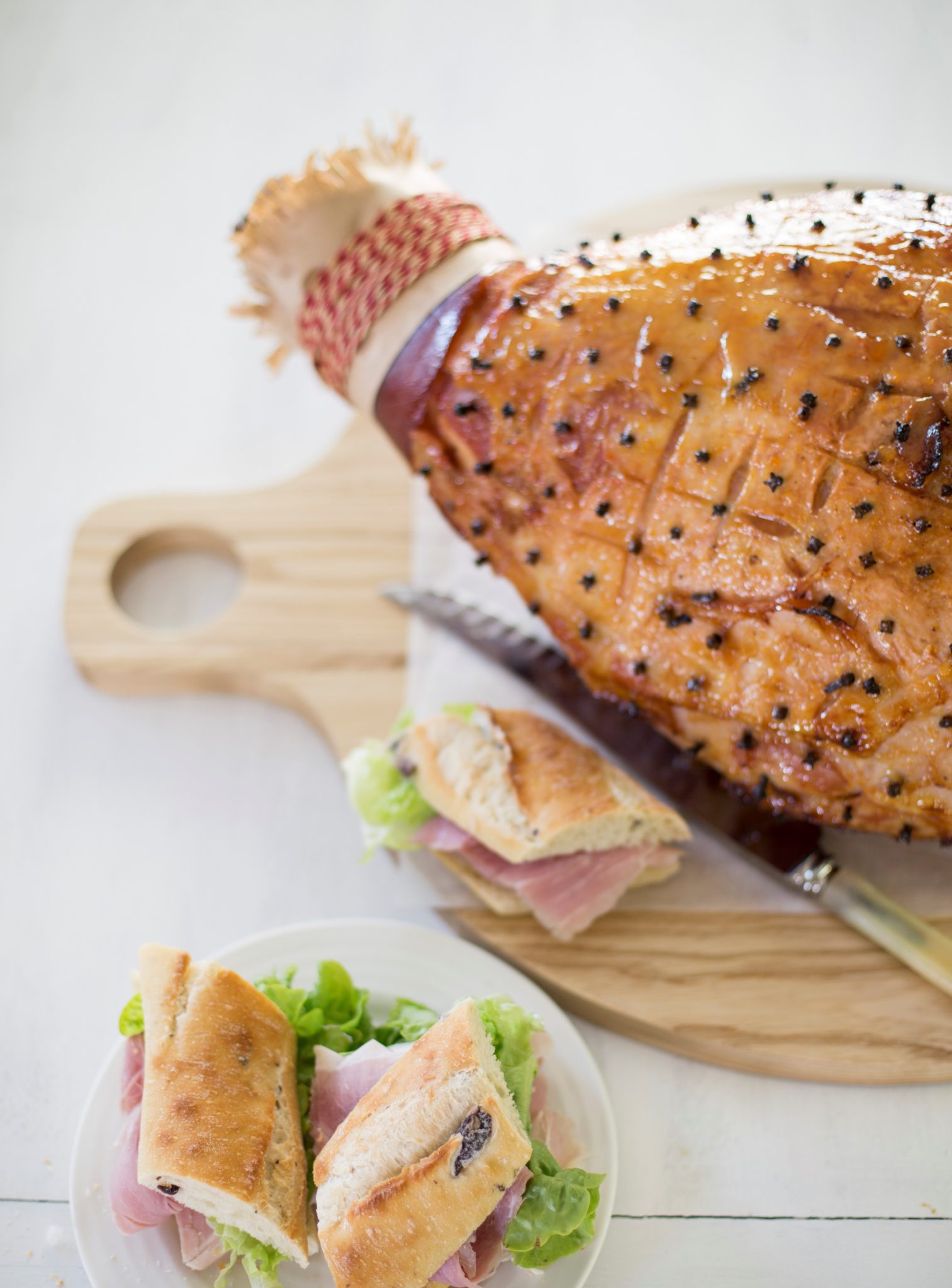
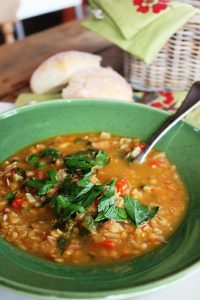
A good quality ham can make your meal festive whatever the season. Here are my 5 top tips to get the most from your ham! For inspiration, I have linked to this post to a fantastic glazed ham recipe and a perfect Ham Lentil and vegetable soup recipe to try if you manage to have any leftovers!!!!

  1. There is definitely an art form to cutting or carving a ham especially one with a bone in it. To carve, use a sharp thin long carving knife to cut slices of ham away from the bone, this will ensure you have even slices that are the full size of the ham. Follow the grain of the meat, laying the slices on a platter as you go and working around the bone. Turn ham over and repeat on the other side.

    Christmas Glazed Ham - Chef Dominique Rizzo

    Megan Rizzo Photography

  2. To store a cooked ham pre and post-baking, wrap the ham in a calico cloth, or a clean piece of sheet that has been soaked in a vinegar solution of ¾cup of white vinegar with 1 ½ litres of water. This will keep the ham moist and stop it from drying out.
  3. To serve ham warm on Christmas day, you can prepare it the day before. Cover with cling wrap and refrigerate until you are ready to bake and glaze it.
  4. Leftover ham on the bone can be covered in a vinegared cloth and then refrigerated for up to 2 weeks. If you are keeping it for that long, rinse out your cloth every 3 days with the prepared vinegar solution, to keep the ham moist.
  5. You can keep leftover ham in the freezer for up to 6 weeks although it is perfect to add to soups, scrambled eggs, omelettes, sandwiches, salads, pasta, fried rice on pizzas and wherever else you want that delicious smoked flavour.

Check out my How to bake Glazed Ham video here.